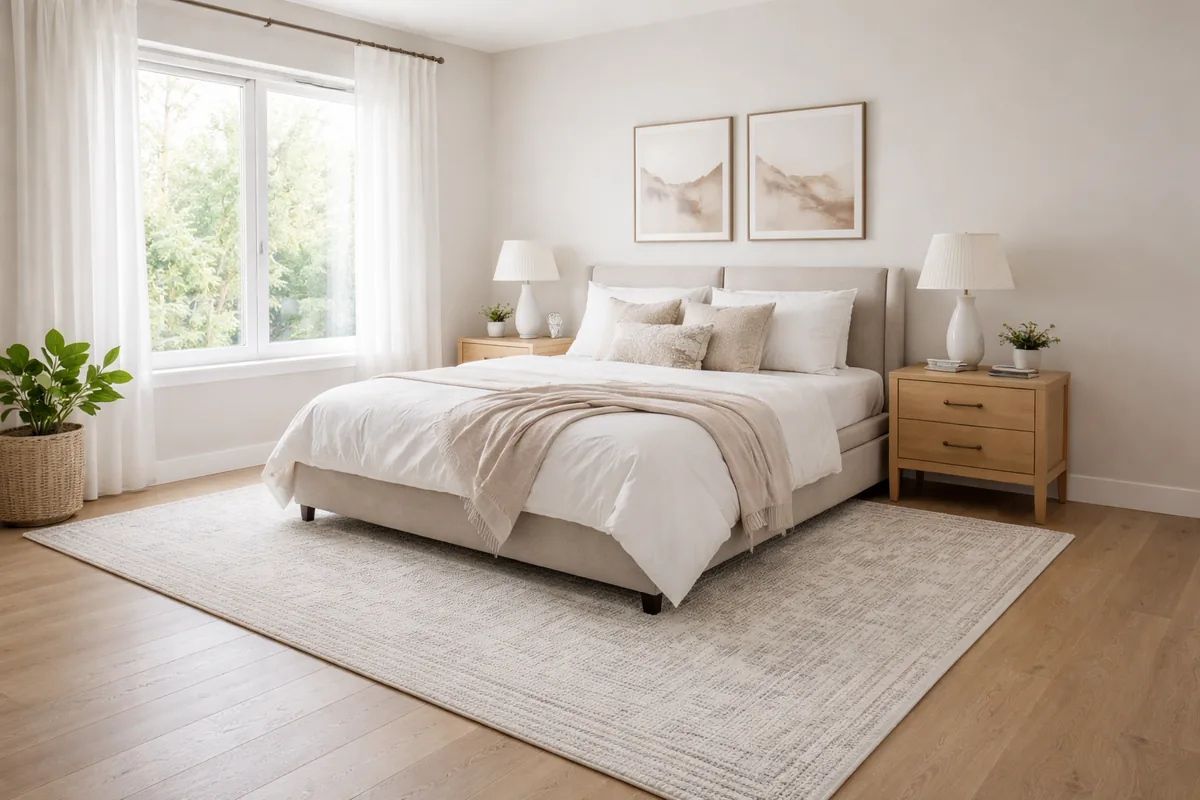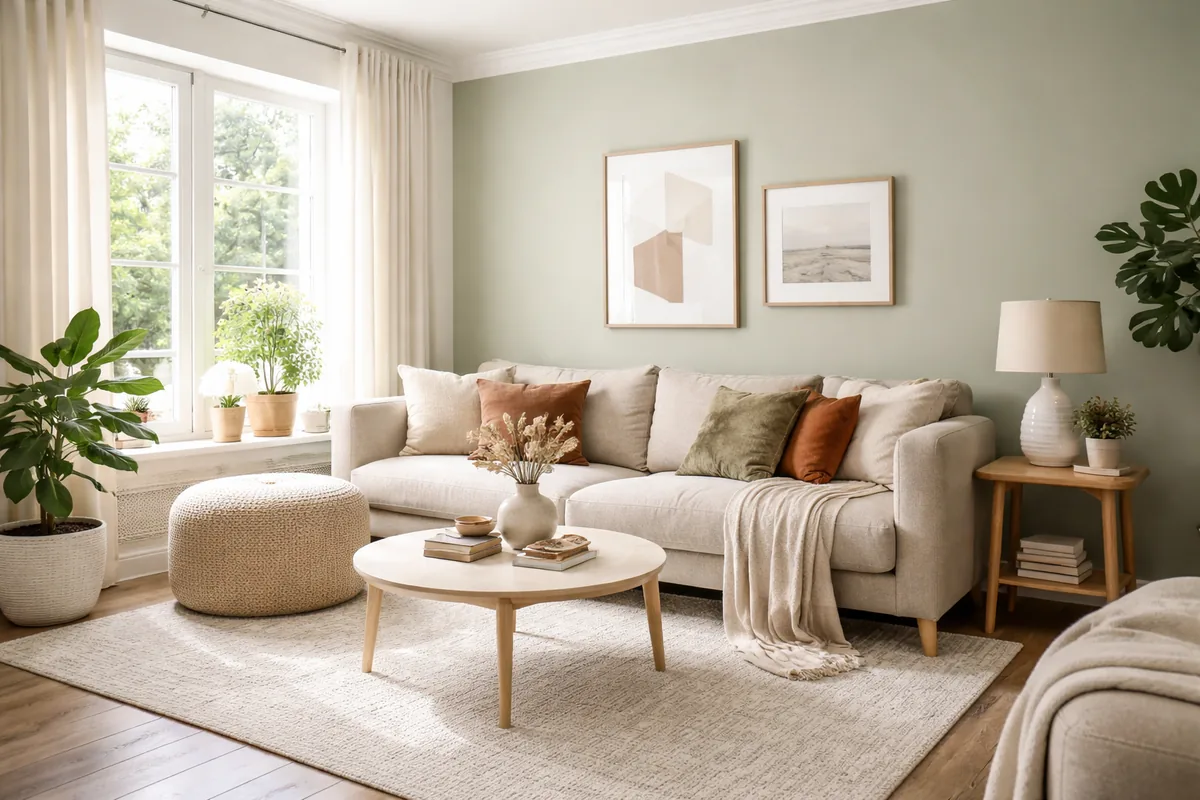
Choosing the right paint color for a small living room involves understanding how colors affect space perception and mood. Lighter shades, such as whites, light grays, and soft pastels, are often recommended to create an illusion of a larger, more airy space. On the other hand, deeper colors can add warmth and coziness but should be used strategically to avoid overwhelming the room.
Consider the natural light
Natural light plays a crucial role in how paint colors appear in your living room. A color that looks good in one light setting may not work as well in another. North-facing rooms typically receive cooler light, making warmer colors (like soft yellows or warm beiges) suitable choices to balance the cooler light. Meanwhile, south-facing rooms bask in warm light, allowing for richer tones and cooler colors like greens or blues, which can beautifully contrast and bring a serene vibe to the room.
Choose a color scheme
Establishing a cohesive color scheme can significantly enhance your small living room. Consider using a monochromatic palette that utilizes various shades of a single color. This approach combines light and dark variations of the same hue, adding depth while maintaining an overall sense of unity. Alternatively, an analogous scheme that incorporates colors next to each other on the color wheel can create a harmonious look. For small living rooms, be cautious with vibrant colors, as they can make the space feel busier and more constrained.
Test colors in the space
Before committing to a paint color, always test it in your living room. Purchase sample sizes and paint swatches on different walls, considering how the color interacts with your furniture and decor throughout the day. Observe how it looks in both natural and artificial light. This step is crucial, as the finish (matte, eggshell, satin) can also affect the final appearance of the color. Lighter finishes may reflect light better, which can help in sustaining the room's brightness.
Using colors to create zones
In a small living room, differentiating space can enhance functionality and style. Paint colors can effectively help create defined areas within the room. For instance, by painting an accent wall or the area behind a bookshelf a different hue, you can make that zone feel distinct and encourage a more organized flow. This technique works especially well in open-concept living spaces, where different functions coexist in a single area.
Understanding the psychological effects of color
Colors evoke certain feelings and can significantly influence the atmosphere of a room. Blues and greens promote calmness and tranquility, making them great choices for a living space intended for relaxation. Yellows bring a sense of energy and happiness, perfect for a sunny gathering spot. Depending on your preferred ambiance, choose colors that align with the mood you wish to achieve in your small living room.
| Color | Effect | Suggested Use |
|---|---|---|
| Light gray | Modern, spacious | Ideal for creating an airy feel |
| Soft blue | Calming, serene | Perfect for relaxation zones |
| Pastel yellow | Bright, cheerful | Good for a vibrant gathering area |
| Warm beige | Inviting, cozy | Welcomes guests with warmth |
Visual tricks with color
Utilizing painting techniques can enhance the perception of space. Lighter colors on the walls paired with darker shades on the trim can draw the eye upward, making the ceilings appear higher. Conversely, painting the ceiling a lighter color than the walls creates a seamless look that visually expands the area. Vertical stripes can also elongate walls, making the room feel taller and more spacious.
Factors to consider when choosing paint finish
The finish of your paint can significantly impact the final look and feel of your small living room. Different finishes reflect light differently; for instance, a higher sheen like satin or semi-gloss can highlight imperfections but also make the space appear more expansive. Opting for a matte finish can create an inviting atmosphere, though it might require more maintenance than satin or eggshell finishes. Weigh your options based on desired aesthetics and practicality when determining finishes for small living spaces.
Accessorizing with coordinating colors
Once you've chosen your paint color, complement it with accessories that coordinate well. Choosing furniture, decor, and textiles that echo your chosen colors can create a harmonious look. If your walls are a warm beige, consider furniture with warm wood tones, or colorful throw pillows that pick up on the wall's hues. This visual consistency will tie the room together and enhance its overall aesthetic.
Balancing bold colors and neutrals
In a small space, balance is key. While a bold color can make a statement, it is essential to temper it with neutral tones to prevent overwhelming the room. Using a bold color on a single accent wall can provide character without crowding the space. Pair it with neutrals on furniture and other walls to create a balanced look. Striking this balance allows for creative expression without sacrificing the practicality of the space.
FAQ
What paint colors make a small living room look bigger?
Lighter shades like whites, soft grays, and pastels can help create the illusion of a larger space by reflecting more light.
Should I use an accent wall in a small living room?
An accent wall can add character to a small space without overwhelming it. Just ensure the accent color complements the overall color palette.
How can I enhance natural light with paint?
Choose light colors that reflect natural light and avoid dark colors that absorb it to maximize brightness in your small living room.
What finish is best for a small living room?
Satin or eggshell finishes are ideal for small living rooms as they reflect light well and are easily cleanable while maintaining an inviting appearance.
Can I use dark colors in a small living room?
Dark colors can create a cozy atmosphere but should be applied carefully. A single accent wall or furniture piece can introduce depth without making the space feel cramped.