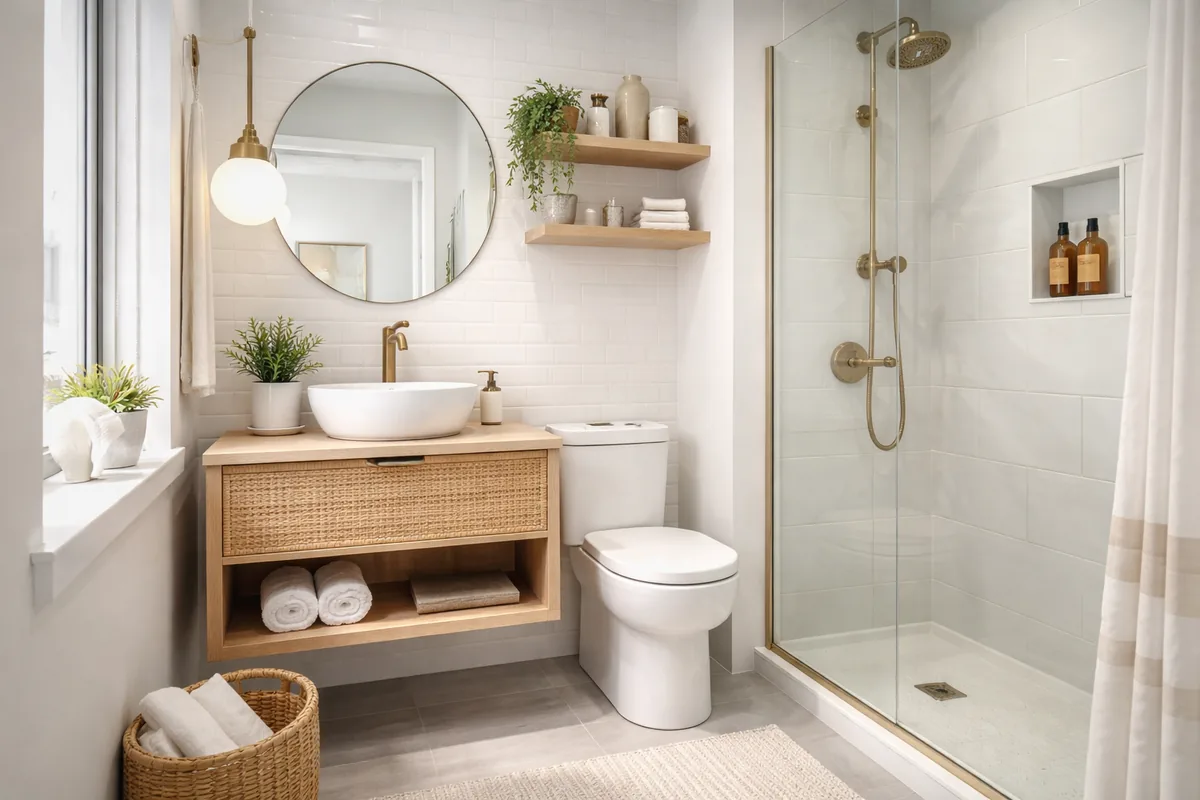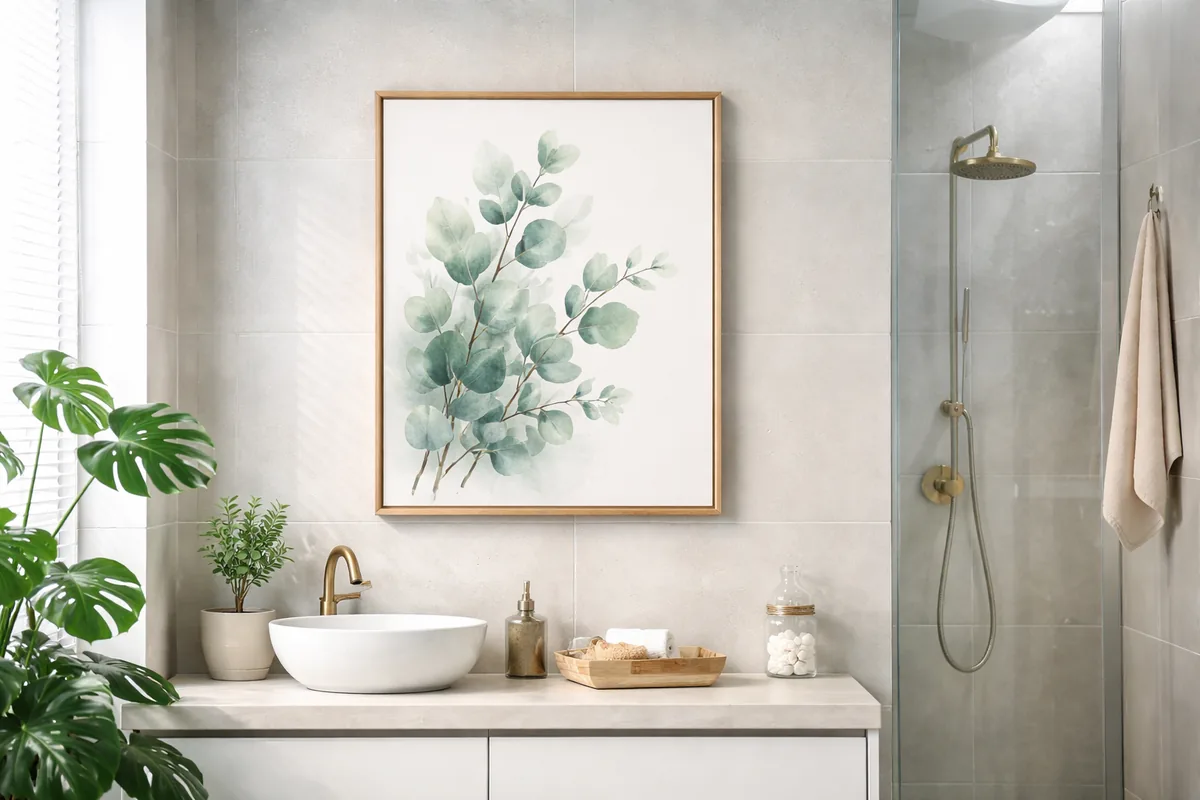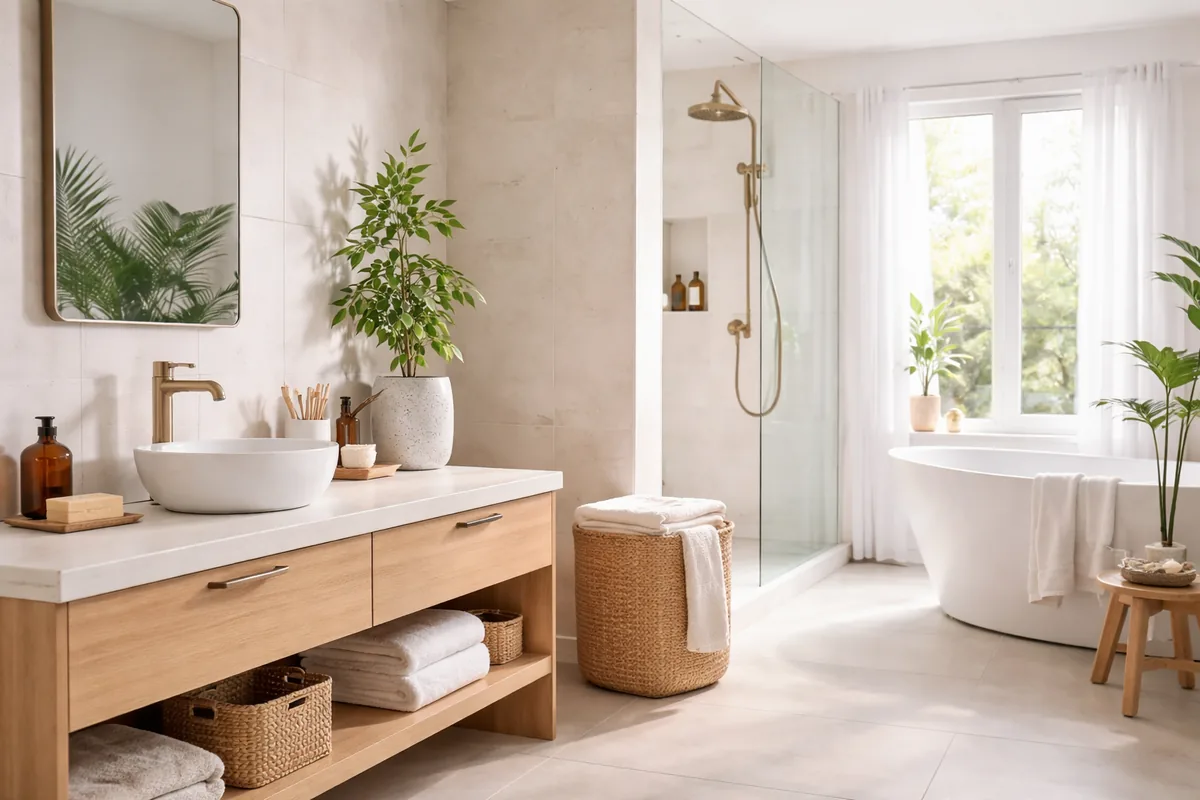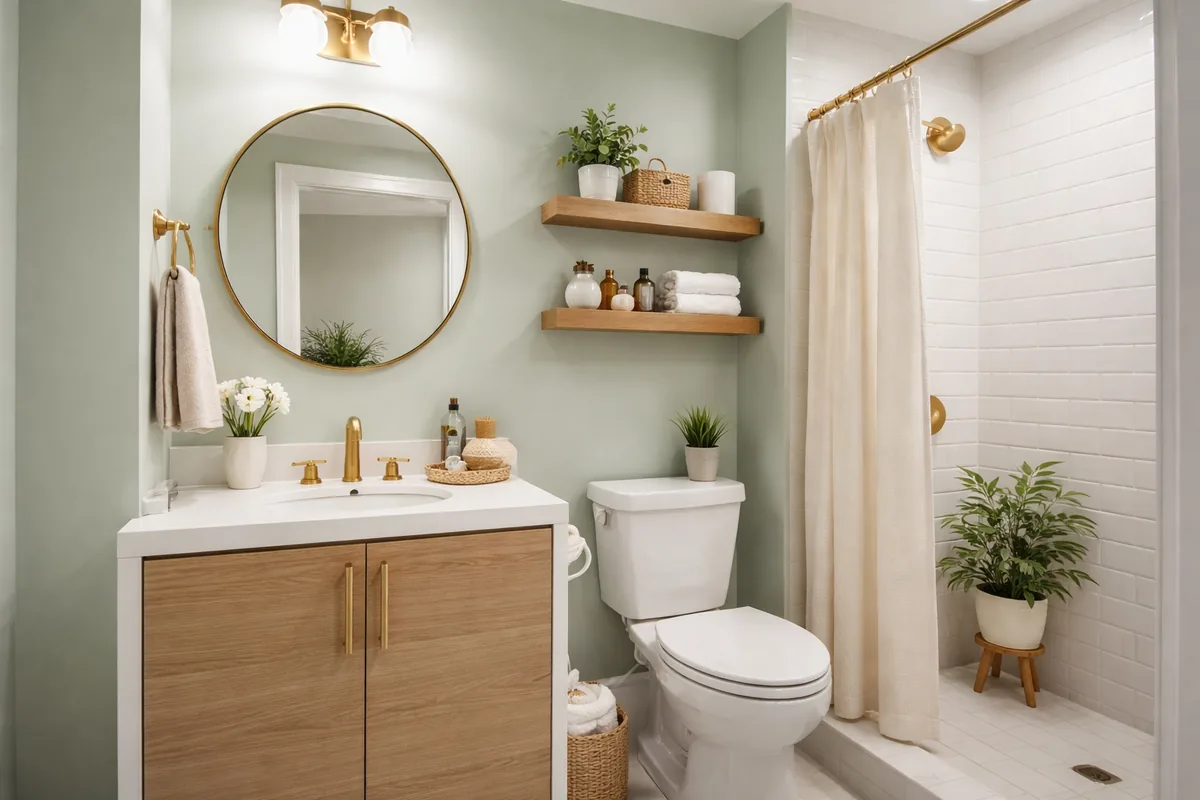
Choosing the right paint color for a small bathroom can significantly enhance its aesthetic while making the space feel larger and more inviting. Opt for lighter hues, such as pastels or neutrals, which can visually expand the space and reflect more light. Alternatively, a well-considered darker shade can create a cozy atmosphere if paired with sufficient lighting and proper accessories.
Understanding the impact of color psychology
Color psychology plays a critical role in how we perceive and experience spaces. In a small bathroom, the colors you select can influence mood and feelings of relaxation or energization. Soft blues and greens often evoke a sense of tranquility, ideal for spaces designed for relaxation. Yellow shades, on the other hand, can bring warmth and cheerfulness but may overwhelm in small doses. When selecting a paint color, consider what emotional effect you desire the bathroom to have. This understanding not only guides you toward a visually appealing choice but also ensures the color aligns with your personal preferences.
Lighting considerations in color selection
Proper lighting transforms how colors appear in any room, and this is especially important in a small bathroom where natural light may be limited. Ambient lighting can make colors appear different than they do on the paint chip. It’s advisable to test paint colors under various lighting conditions: natural daylight, evening lamp light, and artificial overhead lighting. A paint color may look distinctly cooler in daylight and warmer under incandescent light. To ensure a consistent and harmonious appearance throughout the day, sample the paint on multiple walls and observe the effects at different times.
Using color to create the illusion of space
In a small bathroom, the right color can help create the illusion of more space. Light colors, particularly off-whites, pale grays, and soft pastels, can make walls appear farther away, adding airiness to the environment. Conversely, darker colors can make a room feel cozier but may also close in the visual space. If you opt for a darker color, use it sparingly or pair it with plenty of light fixtures to mitigate potential shrinkage of space. One effective technique is to paint the ceiling a lighter shade than the walls; this draws the eye upward, giving the impression of height.
Coordinating with fixtures and furnishings
When selecting a paint color, it's essential to consider the existing fixtures and furnishings in your bathroom. Your paint choice should complement elements such as countertops, tiles, and cabinetry. For instance, a classic white or soft gray can beautifully enhance a marble countertop, while a more vibrant color may clash with patterned tiles. Additionally, consider how the colors interact with bathroom accessories, as these can be swapped easily to refresh the aesthetic. An effective approach is to establish a color palette that works harmoniously across all elements in the bathroom.
Testing paint samples effectively
Once you have narrowed down your color choices, testing samples is an invaluable step. Purchase small sample pots and paint patches on your walls. Observe the colors at various times and under different lighting conditions, considering how they evoke feelings in the space. It's also beneficial to apply multiple coats, as the final finish can change significantly once dry. Instead of using small swatches, try larger sections to grasp the overall impact. This hands-on approach helps mitigate potential regrets and ensures satisfaction with your final choice.
Practical tips for choosing paint finishes
The finish of your paint can impact both the look and functionality of your small bathroom. In high-humidity areas like bathrooms, selecting a washable and mold-resistant finish, such as satin or semi-gloss, is ideal. Satin offers a subtle sheen without being overly glossy, providing an easy clean-up surface, while semi-gloss reflects more light, which can help further brighten the space. Flat finishes are generally not recommended in bathrooms due to their absorbency and difficulty in cleaning. It's essential to consider both the aesthetic and practical sides when choosing your finish.
| Color family | Psychological effect | Best for |
|---|---|---|
| Light Blue | Calming and tranquil | Relaxation spaces |
| Soft Green | Nurturing and refreshing | Natural themes |
| Yellow | Cheerful and warm | Inviting environments |
| Gray | Modern and sleek | Contemporary aesthetics |
| White | Pure and spacious | Maximizing light |
FAQ
What is the best paint color for a small bathroom?
The best paint colors for a small bathroom are typically light shades like whites, pastels, or soft neutrals, as they can make the space feel larger and brighter.
Can I use dark colors in a small bathroom?
Yes, dark colors can be used, but they should be balanced with adequate lighting and contrasting elements to prevent the space from feeling cramped.
How do I choose a paint finish for my bathroom?
For bathrooms, it's best to choose a finish that is washable and moisture-resistant, such as satin or semi-gloss, to ensure durability and ease of maintenance.
How can I make my small bathroom look bigger with paint?
Using lighter colors on walls and ceilings can create an illusion of more space, while painting the ceiling a lighter color than the walls can add height to the room.
Should I test paint samples before making a decision?
Yes, testing paint samples is vital. It allows you to see how the paint looks at different times of the day and under various lighting conditions in your bathroom.