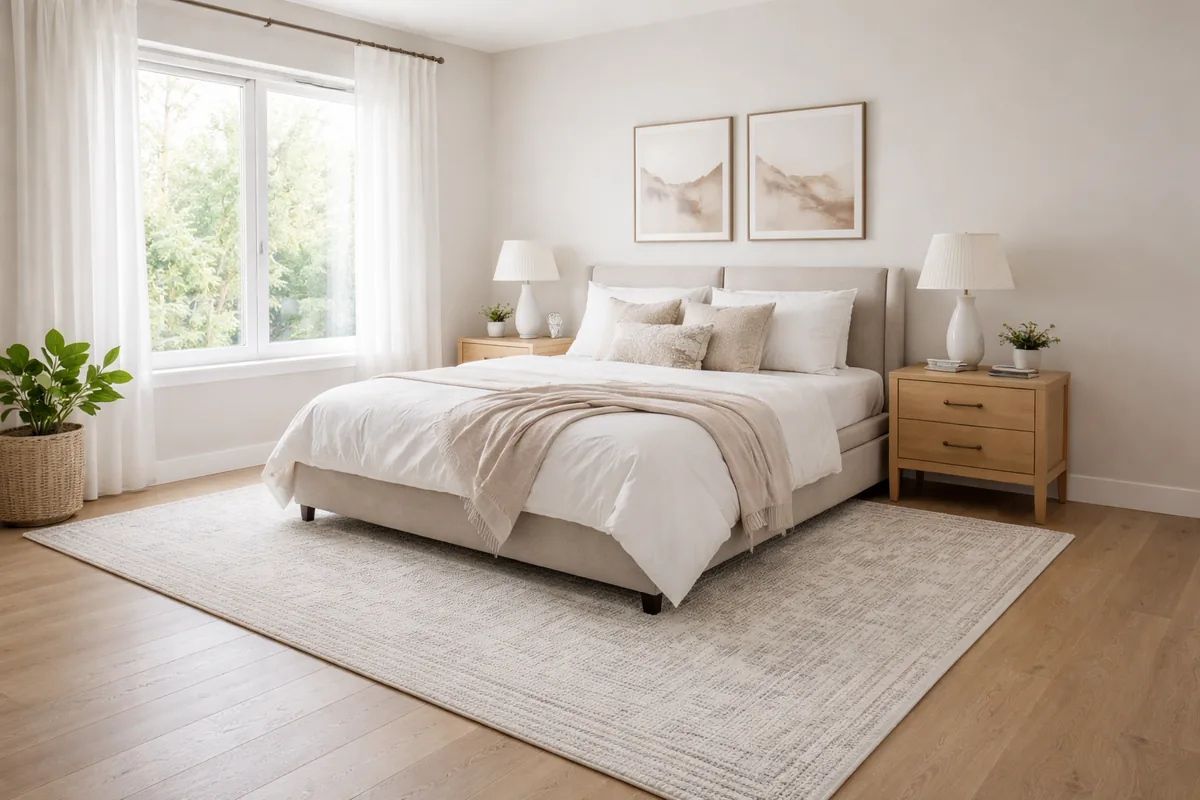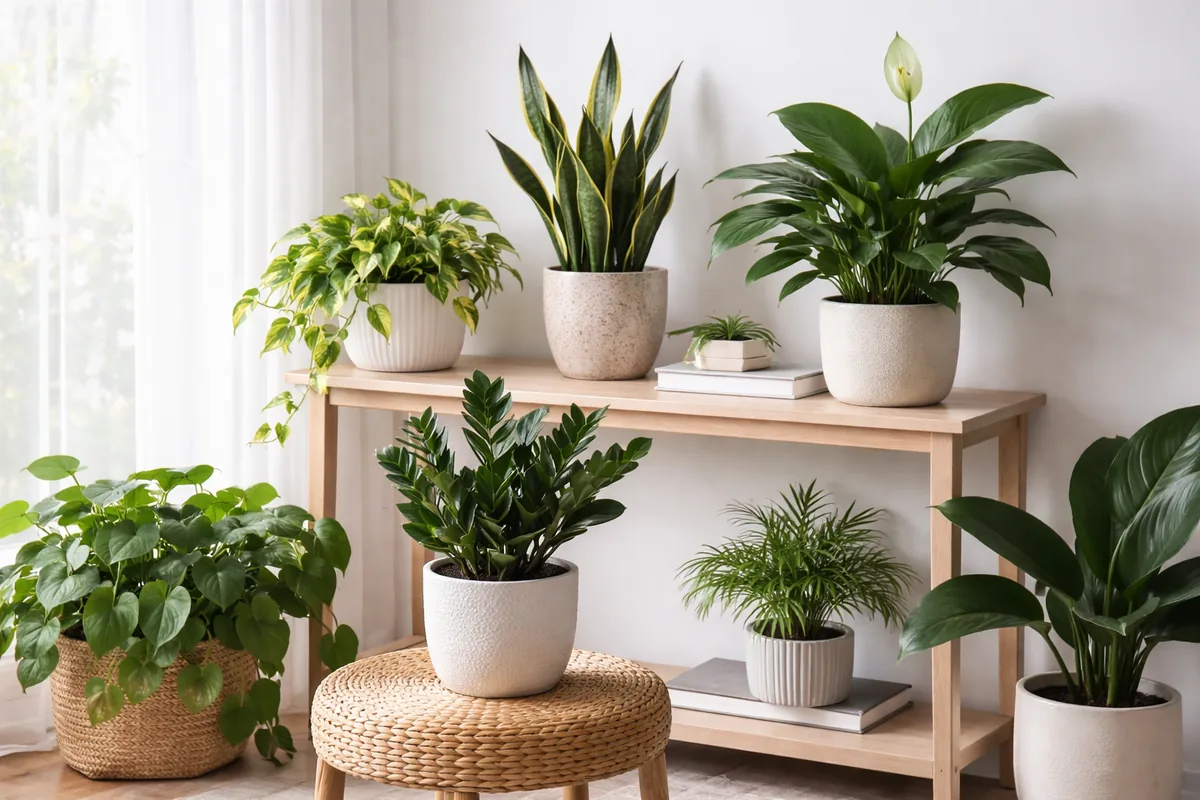
The best plants for low light indoor areas include varieties like the snake plant, pothos, ZZ plant, and peace lily. These plants are not only resilient but also enhance the aesthetic appeal of your living space while requiring minimal sunlight.
Snake plant: An ideal choice for beginners
The snake plant, or Sansevieria, is renowned for its tough nature and ability to thrive in low light. With tall, upright leaves that can vary from green to variegated, this plant can grow in a variety of indoor conditions. It requires minimal watering, making it suitable for individuals who may forget to tend to their plants regularly. Additionally, the snake plant purifies indoor air by converting CO2 into oxygen during the night, further enhancing the health of your living space.
Pothos: Versatile and forgiving
Pothos, also known as Epipremnum aureum, is a popular houseplant that adapts well to low light environments. This trailing vine boasts heart-shaped leaves and can be trained to climb or cascade from hanging baskets. Pothos is forgiving of neglect, tolerating both low light conditions and infrequent watering. This plant purifies air pollutants and helps to remove toxins, making it not only an attractive addition but also beneficial for air quality.
ZZ plant: A touch of elegance
The ZZ plant, or Zamioculcas zamiifolia, is another excellent option for low light areas. With its glossy, dark green leaves, it adds a sophisticated touch to any room. The ZZ plant thrives with minimal water and can withstand neglect, ideal for busy homeowners. Its ability to tolerate low light is remarkable, allowing it to thrive in corners that receive little sunlight. Beyond its beauty, the ZZ plant is known for improving air quality, making it a great addition to any indoor environment.
Peace lily: A blooming option
The peace lily, or Spathiphyllum, brings not only lush green leaves but also beautiful white flowers that can brighten any indoor space. This plant thrives in low light conditions and flourishes with regular watering without being overly demanding. Beyond its aesthetic appeal, the peace lily is an excellent air purifier, effectively removing toxins from the air while producing oxygen. It is advisable to place the peace lily in indirect light to prevent leaf burn.
Other notable mentions
While the aforementioned plants are some of the best choices for low light conditions, there are several others worth considering. The pothos' cousin, the philodendron, is great in shadier spots, while the Chinese evergreen adds elegance with its unique leaf patterns. The spider plant is especially forgiving and can thrive in partial shade, making it perfect for various indoor settings. Each of these plants not only thrives on lesser light but also requires low maintenance, making them accessible for everyone from novice to expert gardeners.
| Plant name | Light requirement | Watering frequency |
|---|---|---|
| Snake plant | Low to indirect light | Every 2-4 weeks |
| Pothos | Low light | Every 1-2 weeks |
| ZZ plant | Low light | Every 2-3 weeks |
| Peace lily | Low to bright indirect light | Every week |
Proper care tips for low light plants
Caring for low light plants involves understanding their basic requirements. Knowing when to water is critical; most of these plants prefer to dry out between waterings. Overwatering can lead to root rot, so it is essential to assess the soil moisture before adding more water. While they thrive in low light, occasional exposure to bright, indirect light can enhance growth and encourage blooming in plants like the peace lily. It is advisable to dust off the leaves periodically to allow for optimal photosynthesis.
Benefits of low light indoor plants
Incorporating low light indoor plants into your home offers numerous benefits. They improve air quality by filtering pollutants and increase humidity levels, which can promote better respiratory health. Furthermore, indoor plants have been shown to enhance mood and reduce stress, creating a more pleasant living environment. Their presence can contribute to a sense of tranquility, making them perfect for bedrooms, offices, or any space where you want to unwind.
FAQ
Can low light plants survive in complete darkness?
No, while these plants thrive in low light, they still require some indirect light to survive. Prolonged exposure to complete darkness will hinder their growth.
How often should I water my low light indoor plants?
Watering frequency varies by plant; generally, most low light plants prefer to be watered every 1-4 weeks, allowing the soil to dry out between waterings.
Do low light plants need to be fertilized?
Low light plants benefit from occasional fertilization, typically during the growing season. A balanced, water-soluble fertilizer can promote healthy growth.
Are low light plants safe for pets?
Some low light plants, like the peace lily and pothos, can be toxic to pets if ingested. Always check the safety of specific plants if you have pets in the home.
How can I tell if my low light plant is getting enough light?
If your plant starts to lean towards a light source or shows slow growth, it may indicate that it's not receiving sufficient light. Adjusting its position can help improve its health.