Yes, you can install a backsplash over existing tile, provided you prepare the surface and choose appropriate materials. This method is often preferred to save time and avoid the hassle of removing old tiles. However, there are essential steps and considerations to ensure a durable and aesthetically pleasing result.
Assessing the existing tile condition
Before laying a new backsplash over existing tile, assess the current condition of the tiles. Look for any cracks, loose tiles, or water damage that could compromise the installation. Repairing these issues is crucial because if the underlying tile is damaged, it can lead to further complications down the line, such as mold growth or adhesion failure.
Choosing the right materials
Selecting compatible materials is vital for a successful installation. Opt for backsplashes that aren't too heavy, such as peel-and-stick tiles, ceramic tiles, or glass tiles, as they are easier to install over existing surfaces. Additionally, consider using adhesive specifically formulated for tile applications, which provides a strong bond between the new backsplash and the old tile.
Surface preparation techniques
Proper surface preparation is critical when installing a backsplash over existing tile. Start by thoroughly cleaning the old tiles to remove grease, grime, and dust. Use a suitable cleaner that can break down residue, followed by rinsing with clean water and letting the surface dry completely. If the tiles have a glossy finish, lightly sand them to create a rough surface that enhances adhesion.
Installation process overview
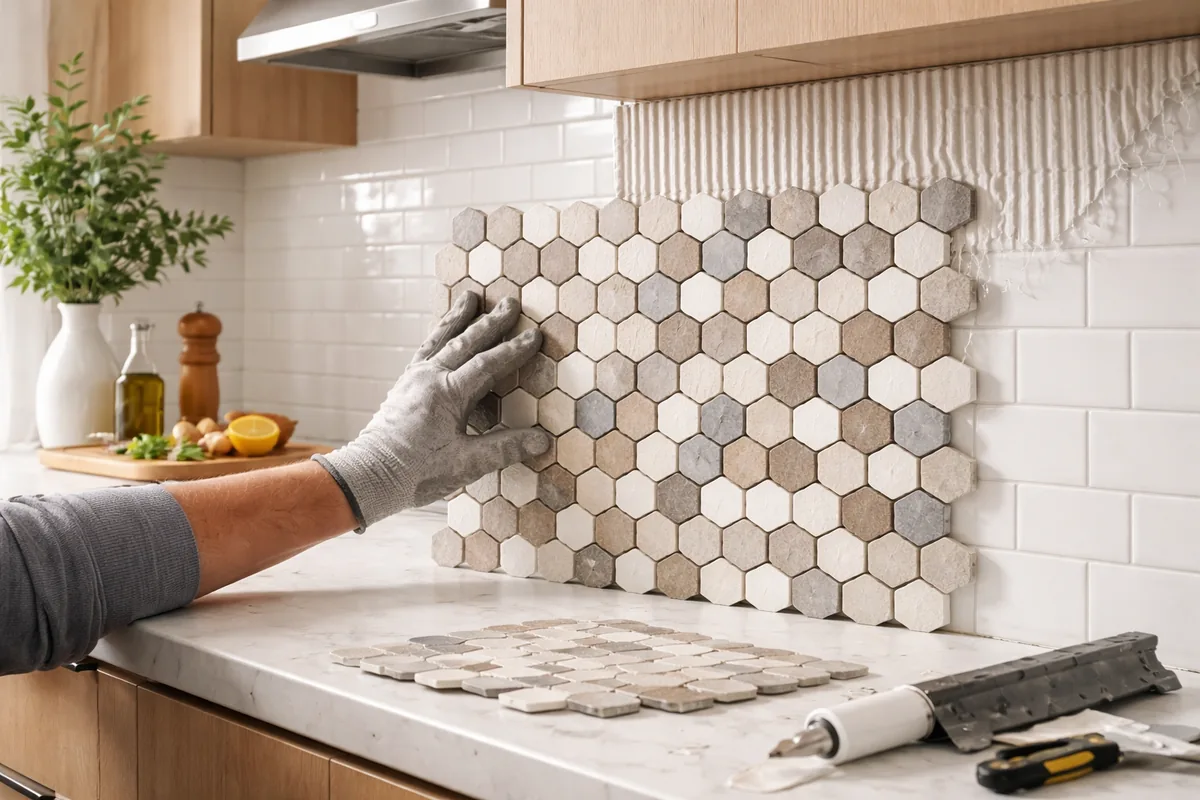
The installation of a backsplash over existing tile follows a straightforward process. Begin by measuring the area to determine how much material you'll need. Mark a straight line as a guide for placing the backsplash. Apply the adhesive evenly and press the tiles firmly into place, ensuring there are no air bubbles trapped beneath. Continue installing the tiles row by row, cutting tiles as necessary to fit around outlets and corners. Allow the adhesive to set according to the manufacturer's instructions before grouting the seams for a finished look.
Potential challenges and solutions
While installing a backsplash over existing tile can be beneficial, it also presents certain challenges. One common issue is ensuring even tile alignment, especially on uneven tile surfaces. To address this, use tile spacers between tiles to maintain consistent gaps. Additionally, avoid using overly heavy tiles that might strain the adhesive, leading to peeling or falling. If there are significant height differences in the existing tiles, consider using a leveling compound to create a uniform surface before installation.
Maintenance tips for your new backsplash
Post-installation, maintaining your new backsplash is essential for longevity. Regularly clean the surface using a mild detergent or specific tile cleaner to prevent buildup. Avoid abrasive scrubbers that can damage the tiles. If any grout lines show signs of wear or discoloration, consider applying a grout sealer to protect them from stains and moisture. Routine maintenance will ensure your new backsplash remains vibrant and intact over time.
| Material | Pros | Cons |
|---|---|---|
| Ceramic tiles | Durable, wide variety | Can be heavy, hard to cut |
| Glass tiles | Stylish, easy to clean | Fragile, can chip |
| Peel-and-stick tiles | Easy installation, lightweight | Less durable, may peel over time |
FAQ
Can I install a backsplash over cracked tiles?
It is not recommended to install a backsplash over cracked tiles as this can lead to further damage. Repair any cracks before proceeding.
What type of adhesive should I use?
Use a strong adhesive specifically designed for tile applications to ensure a solid bond between the new backsplash and existing tile.
How can I ensure my new backsplash is level?
Use a level tool and tile spacers during installation to maintain uniformity and even alignment of the tiles.
Is it necessary to grout the seams?
Yes, grouting the seams is necessary to prevent moisture from seeping behind the tiles and to provide a finished look.
How do I clean my new backsplash?
Clean your backsplash regularly with a mild detergent and soft cloth, avoiding abrasive scrubbers to prevent damage.