To adequately insulate a 1500 sq ft house, you typically need between 12 and 20 inches of insulation, which varies based on the insulation type and climate zone. Proper insulation significantly enhances energy efficiency, keeps your home comfortable, and can reduce heating and cooling costs.
Understanding insulation types
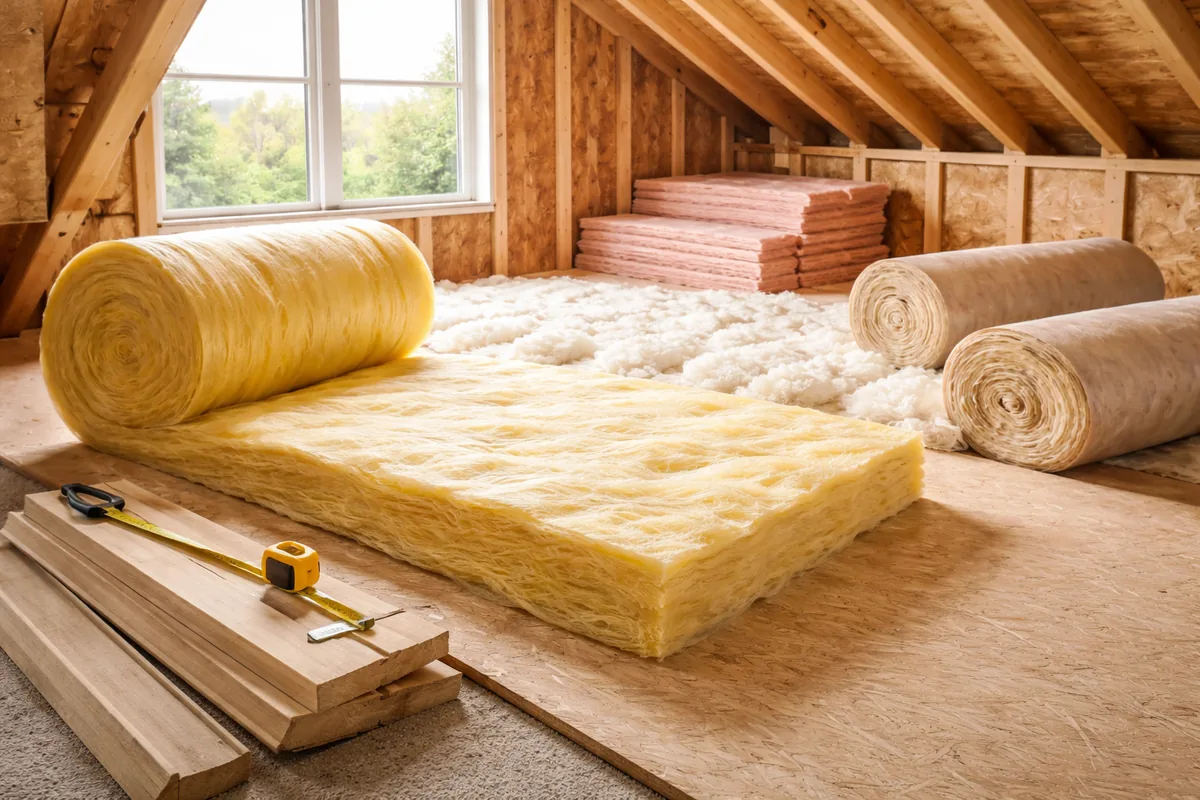
Insulation comes in various forms including fiberglass batts, spray foam, cellulose, and rigid foam boards. Each type has unique thermal resistance (R-value) that determines its effectiveness in reducing heat transfer. For residential applications, the R-value needed depends on the climate zone. In colder climates, a higher R-value is required. The typical range for a properly insulated 1500 sq ft home is between R-30 to R-60 in the attic and R-19 to R-38 in walls.
Calculating insulation needs based on R-value
To determine the exact amount of insulation required, start with your desired R-value and your home’s square footage. For example, if you're aiming for R-38 insulation in the attic, you need to first understand factors like the existing insulation and whether the entire area requires new insulation. In this case, if your attic is approximately 750 sq ft, you will need around 24 bags of insulation (assuming one bag covers about 30 sq ft at R-38). Always measure your existing insulation to calculate the deficit accurately.
| Insulation Type | R-value per inch | Typical Coverage (per bag) |
|---|---|---|
| Fiberglass batts | R-3.1 to R-4.3 | 30 sq ft |
| Spray foam | R-6 to R-7 | 200 sq ft |
| Cellulose | R-3.2 to R-3.8 | 30 sq ft |
| Rigid foam board | R-4 to R-6 | 32 sq ft |
Factors affecting insulation requirements
Several factors influence how much insulation you will need for your 1500 sq ft house. These include your location’s climate, whether your home has a basement or crawl space, and local building codes that may dictate minimum insulation requirements. In warmer areas, less insulation is required for the attic, while frigid climates may necessitate additional insulation in walls and foundations to minimize heat loss. Determine your zone using the U.S. Department of Energy’s climate zone map.
Insulation cost considerations
Costs for insulation can vary widely based on the type you choose and whether you hire a professional or do the work yourself. Fiberglass insulation usually costs between $0.50 to $1.50 per sq ft, while spray foam can cost $1.00 to $3.00 per sq ft. Considering a 1500 sq ft home, you might spend anywhere from $750 to $4,500 total, depending on your material choice and labor costs. Investing in insulation may seem expensive initially, but it pays off in reduced energy bills over time.
Installation tips for optimal performance
For the best performance, ensure that insulation is installed correctly. Gaps or compressed insulation can lead to air leakage, reducing your insulation's effectiveness. Carefully choose the right insulation based on the intended space (attic, walls, floors) and follow the manufacturer’s guidelines for installation. In attics, install vapor barriers according to local codes, typically on the warm side of the insulation. If unsure, it may be wise to consult with a professional to ensure optimum performance.
Maintaining your insulation
Once installed, regular inspections of your home can help maintain insulation performance. Signs such as drafts, noticeable temperature differences between rooms, or increasing energy bills may indicate that insulation needs enhancing or replacing. Also, keep an eye out for moisture issues, as water can severely reduce the effectiveness of insulation materials, especially for cellulose. Over time, you might want to consider adding insulation on top of existing materials or removing damaged areas entirely.
FAQ
What type of insulation is best for a 1500 sq ft house?
The best insulation depends on your climate and budget. Spray foam provides the highest R-value per inch but is more expensive; fiberglass is cost-effective but may require more thickness to achieve similar R-values.
How can I check my current insulation level?
You can check your insulation level by inspecting your attic or crawl spaces. Look for batts, spray foam, or blown-in insulation and measure its thickness.
Is it worth insulating my home?
Yes, insulating your home can significantly reduce energy costs and improve comfort by maintaining consistent indoor temperatures. Over time, the cost savings usually justify the expense of insulation.
Can I install insulation myself?
Yes, many homeowners choose to install insulation themselves for cost savings. However, ensure you follow safety precautions and manufacturer instructions, especially with types like spray foam.
How often should I replace insulation?
Generally, insulation can last many years, but if you experience issues with moisture, pests, or notice reduced energy efficiency, it may be time to evaluate and potentially replace it.