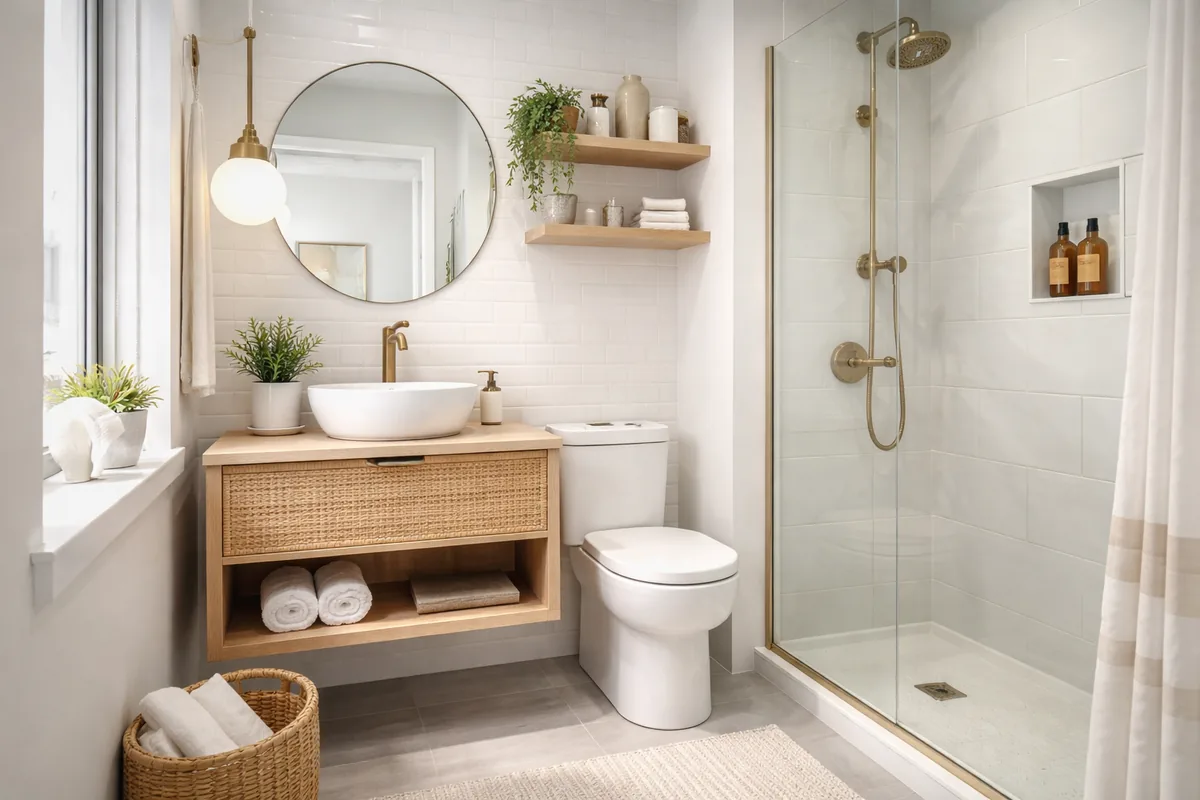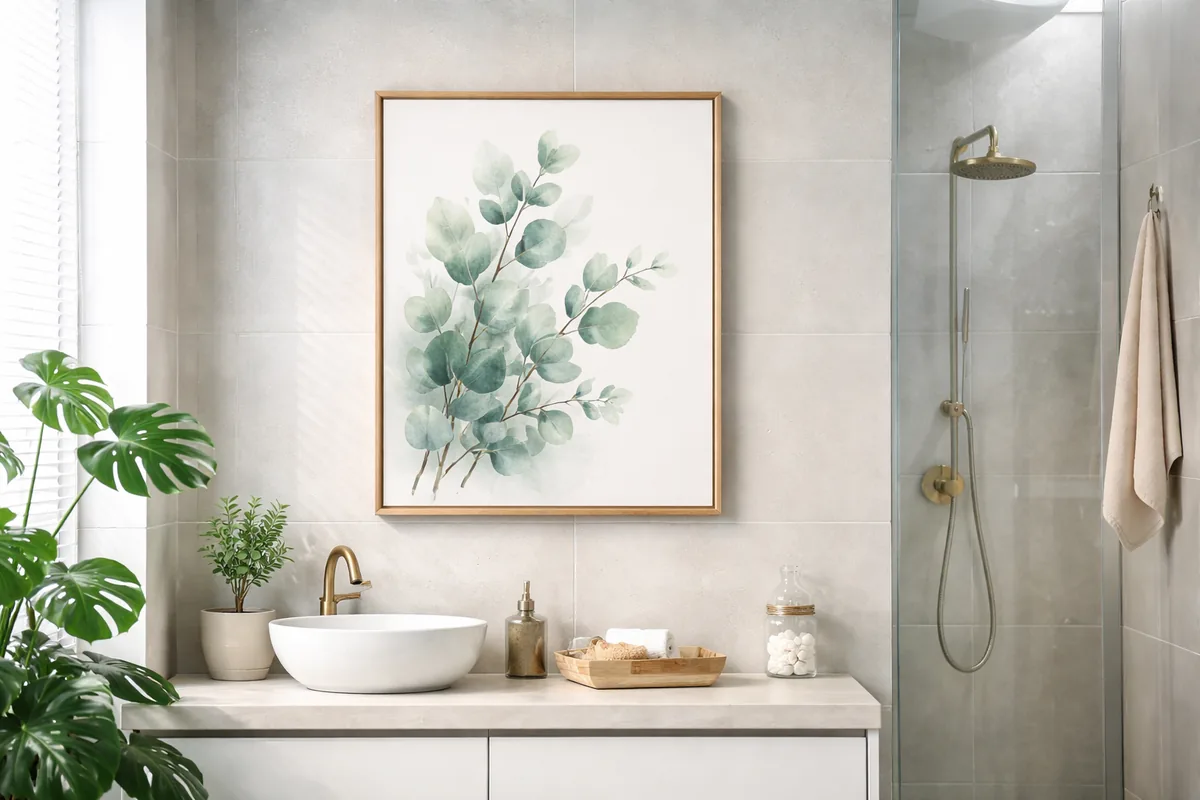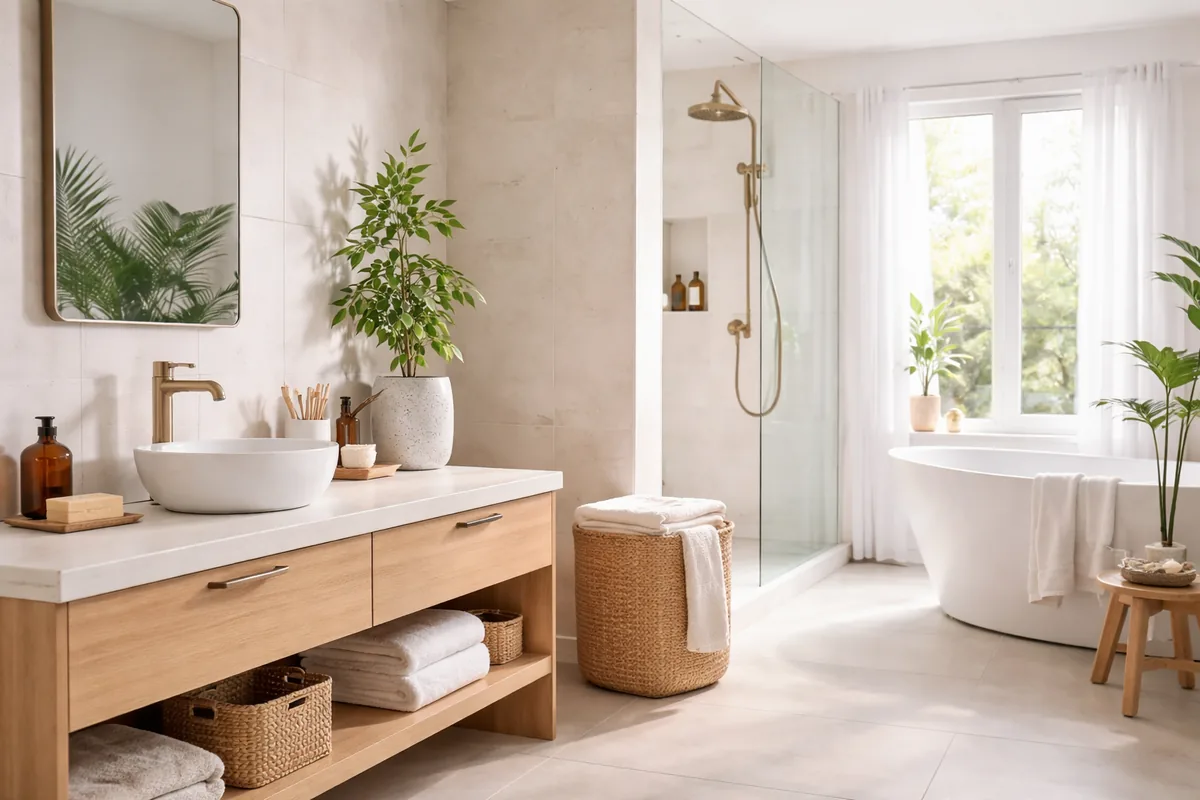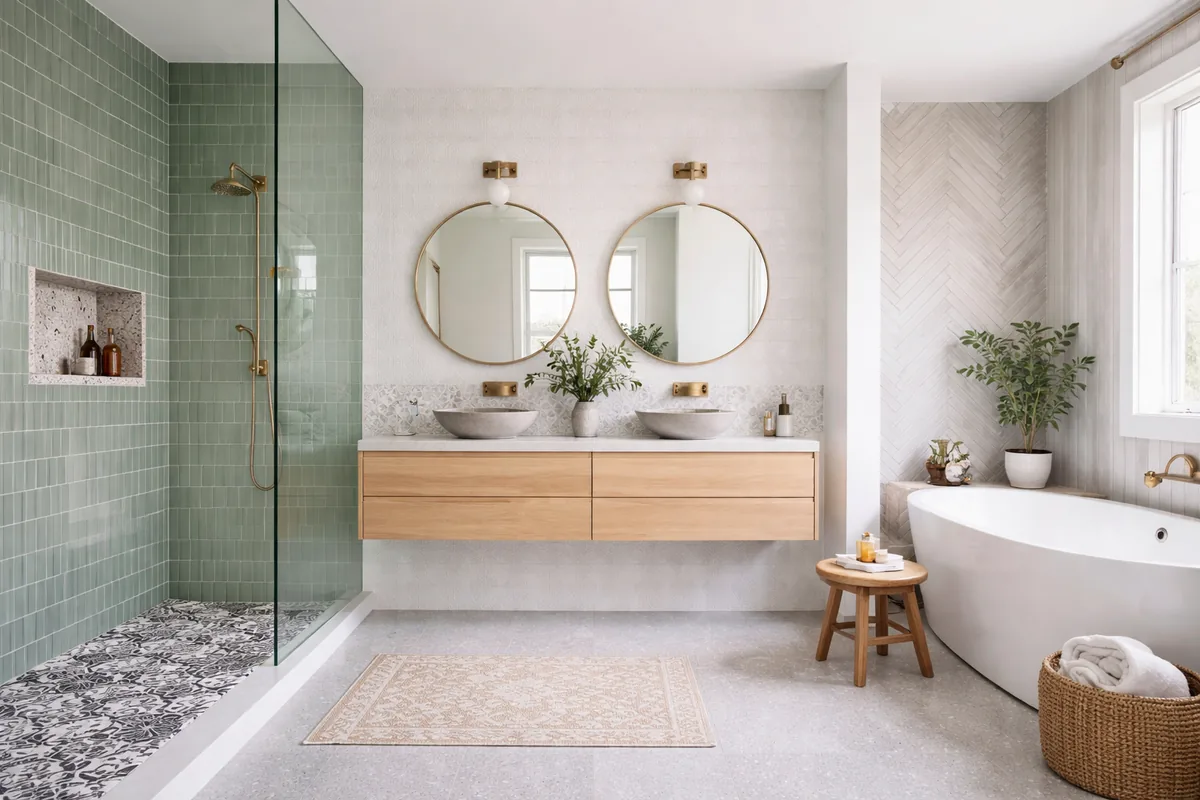
Yes, you can mix different tile styles in the same bathroom. Combining various tile types, colors, and patterns can create visual interest and highlight different areas of the bathroom. The key is to ensure that the different styles complement each other rather than clash.
Understanding tile styles
Before diving into mixing tile styles, it's essential to understand the types available. Tiles can be categorized based on their material, finish, size, and style. Common materials include ceramic, porcelain, glass, and natural stone. Each material has unique characteristics that affect the overall look and feel of the bathroom. For example, ceramic tiles are versatile and budget-friendly, while natural stone adds an organic touch with its variations in color and texture.
Choosing a unifying theme
To mix different tile styles successfully, start by selecting a unifying theme. This could be a color palette, a specific style, or a material that ties everything together. For instance, if you choose a monochromatic color scheme with varying textures, you might combine a glossy subway tile with a matte floor tile. A cohesive theme helps ensure the diverse tiles work harmoniously, preventing a chaotic appearance.
Mixing colors and textures
Color and texture mixing can transform a bathroom into a sophisticated retreat. While it’s tempting to use contrasting colors for a bold impact, consider the overall look you want to achieve. Subtle variations in shades can add depth. For example, pairing a soft gray wall tile with a slightly darker gray floor tile creates a sense of unity without feeling monotonous. Additionally, consider the textures; mixing smooth, glossy tiles with textured, rustic tiles can create a visually engaging environment.
Different areas for different tiles
Another best practice for mixing tile styles is to assign different tiles to specific areas of the bathroom. For instance, you might use a patterned tile for the accent wall above the bathtub, while keeping the floor and shower tiles simple. This strategy not only provides the desired aesthetic but also ensures that specific tiles are used in appropriate areas. For wet areas, such as shower floors, opt for tiles with more grip and lower slip resistance, while accent tiles can be more decorative.
Creating contrast and focal points
Creating contrast between different tile styles can highlight key design elements. For instance, if you have a patterned tile, consider surrounding it with solid-colored tiles to draw attention to the intricate design. A bold tile feature could zest up a mundane space, such as using Moroccan tiles around the sink area against a subway-tiled wall. This way, the busier design becomes a focal point while maintaining a clean backdrop.
Practical considerations
When combining different tile styles, practical considerations must also be factored in. Pay attention to the tile sizes; mixing very large tiles with very small ones can disrupt the visual flow. It’s advisable to keep a consistent grout line width as well, which can help provide a sense of order among the diverse designs. Additionally, consider maintenance and cleaning; varying tile finishes will have different cleaning needs and durability, which could impact their longevity in a moisture-rich environment like a bathroom.
Balancing patterns with solids
To achieve a balanced look when mixing tiles, pair busy patterns with solid colors. For example, if you're using a floral or geometric print for wall tiles, balance it with solid, neutral tiles for the floor and other surfaces. This approach reduces visual clutter and maintains an inviting ambiance. Too many patterns can overwhelm a small space, so the right balance is crucial.
Tables to guide your tile selection
| Tile Style | Best Use | Pros | Cons |
|---|---|---|---|
| Ceramic | Walls and Floors | Durable, Easy to clean | Can chip easily |
| Porcelain | High traffic areas | Density and resilience | Heavier than ceramic |
| Glass | Accent walls | Reflects light, Easy to maintain | Can be prone to scratches |
| Natural Stone | Focal points | Unique aesthetics | Requires sealing, Heavy maintenance |
| Color Palette | Tile Example | Effect |
|---|---|---|
| Warm tones | Beige and Terracotta | Cozy and inviting |
| Cool tones | Blues and Greens | Calming and serene |
| Contrasting colors | Black and White | Modern and timeless |
| Natural hues | Earthy Greens and Browns | Organic and relaxing |
FAQ
Can I mix tile materials in my bathroom?
Yes, mixing materials like ceramic, glass, and natural stone can add depth to your bathroom design while creating visual interest.
What is the best way to decide on tile colors?
Consider a unifying theme or color palette that complements your overall bathroom decor. Use samples to visualize how different tiles will look together.
How do I prevent tile clashing?
To avoid clashing, select tiles that share complementary colors, patterns, or textures. Limit the number of styles used to maintain coherence.
What should I consider when mixing tiles for wet areas?
Ensure tiles in wet areas have adequate slip resistance and consider the maintenance needs of different materials.
Can I use different tiles on the floor and walls?
Yes, using different tiles for the floor and walls can enhance design, but ensure they complement each other in style and color.