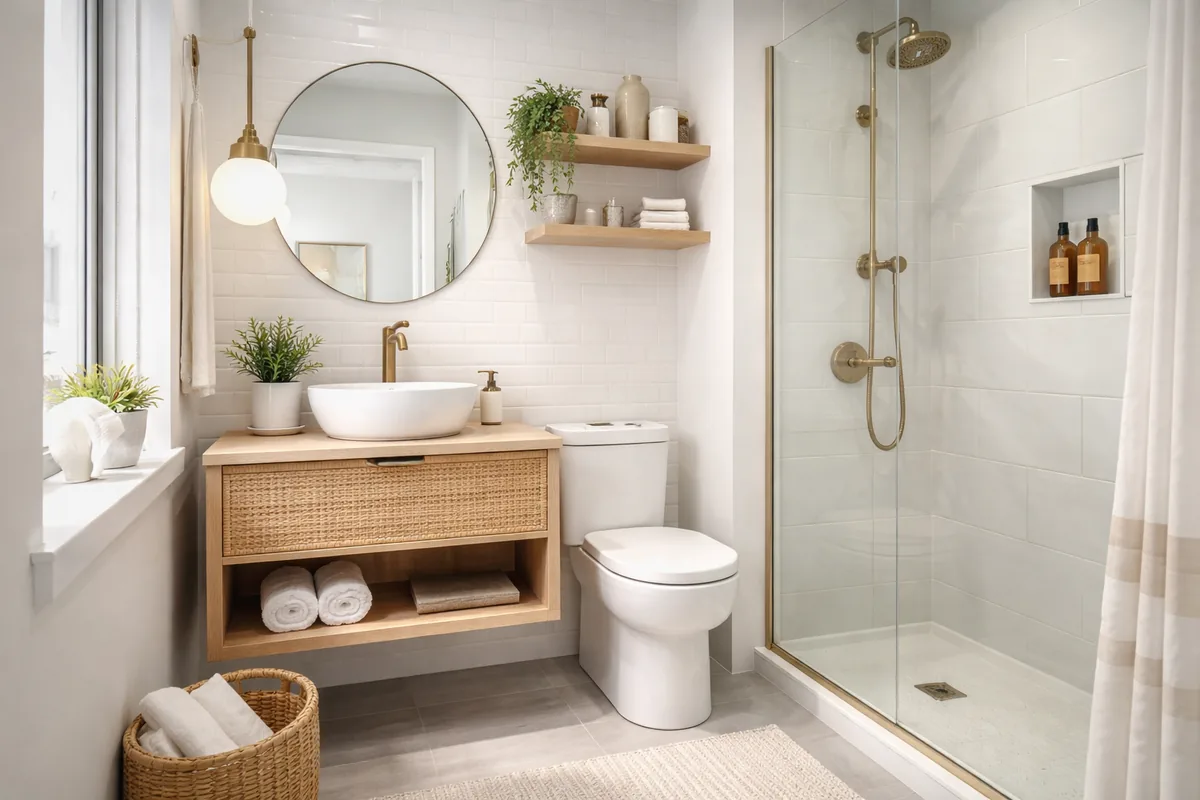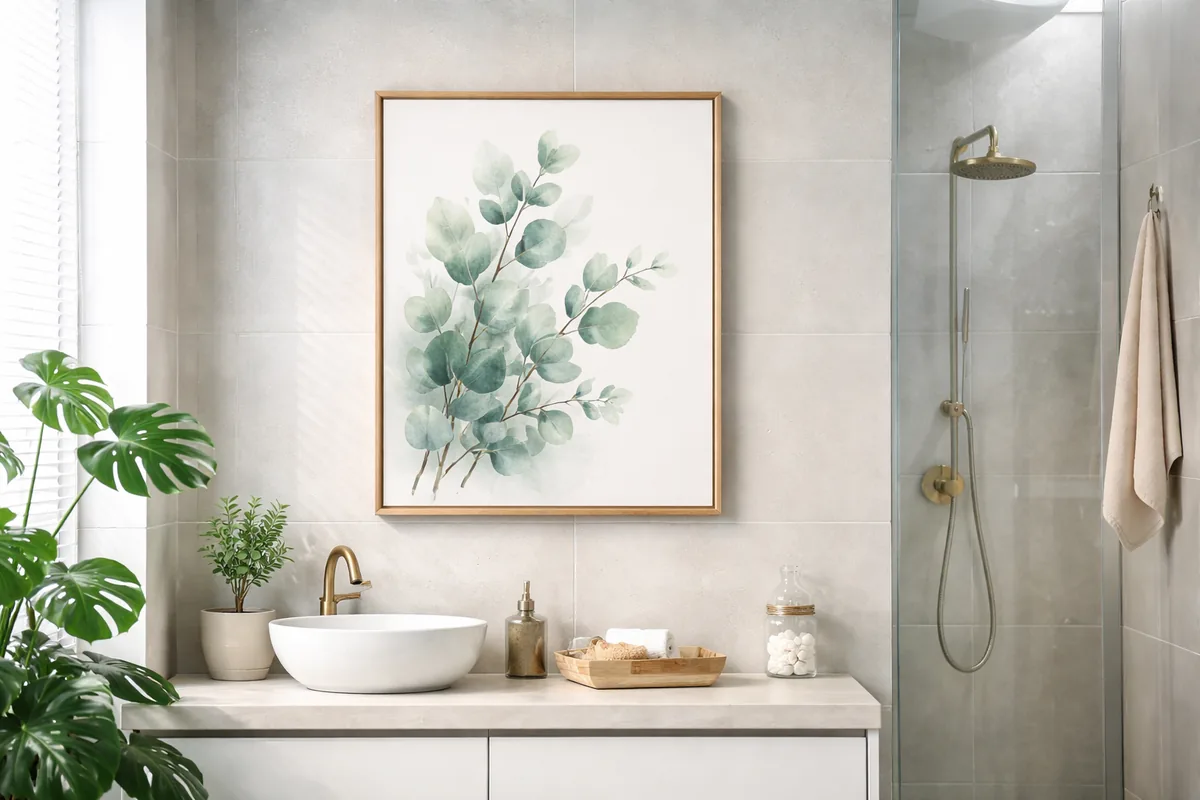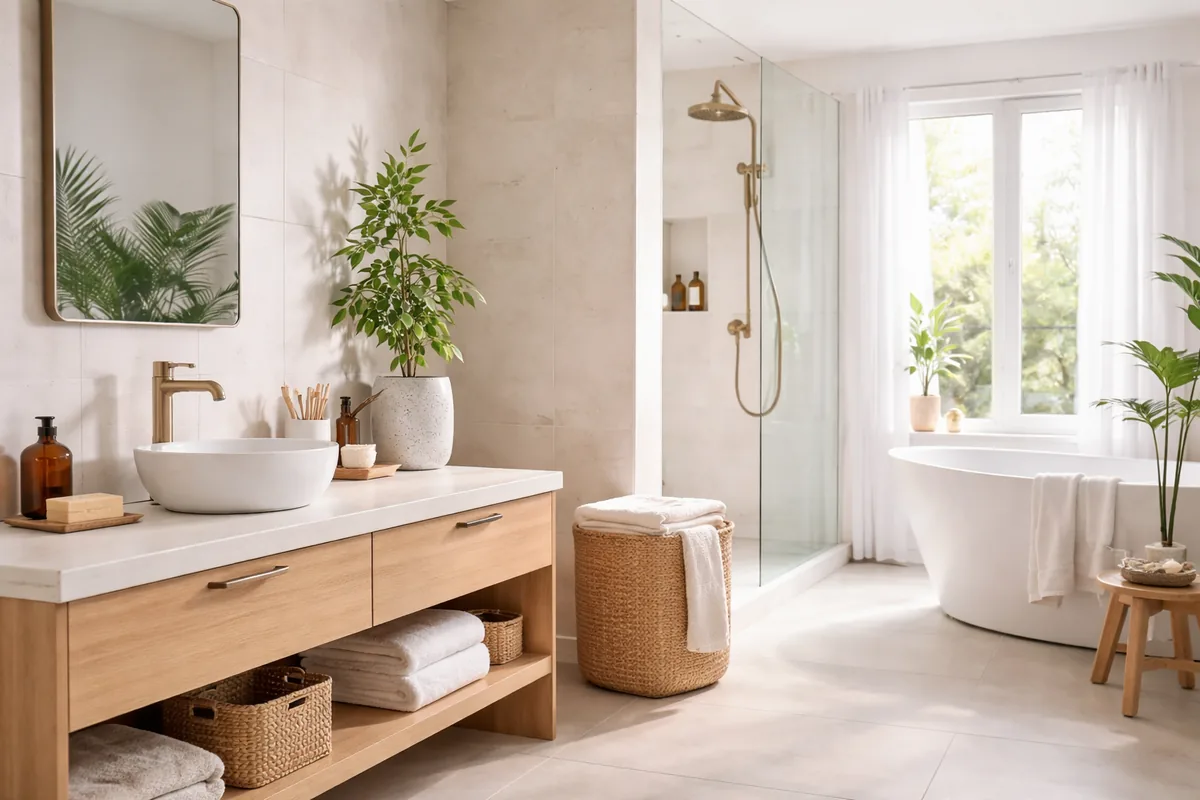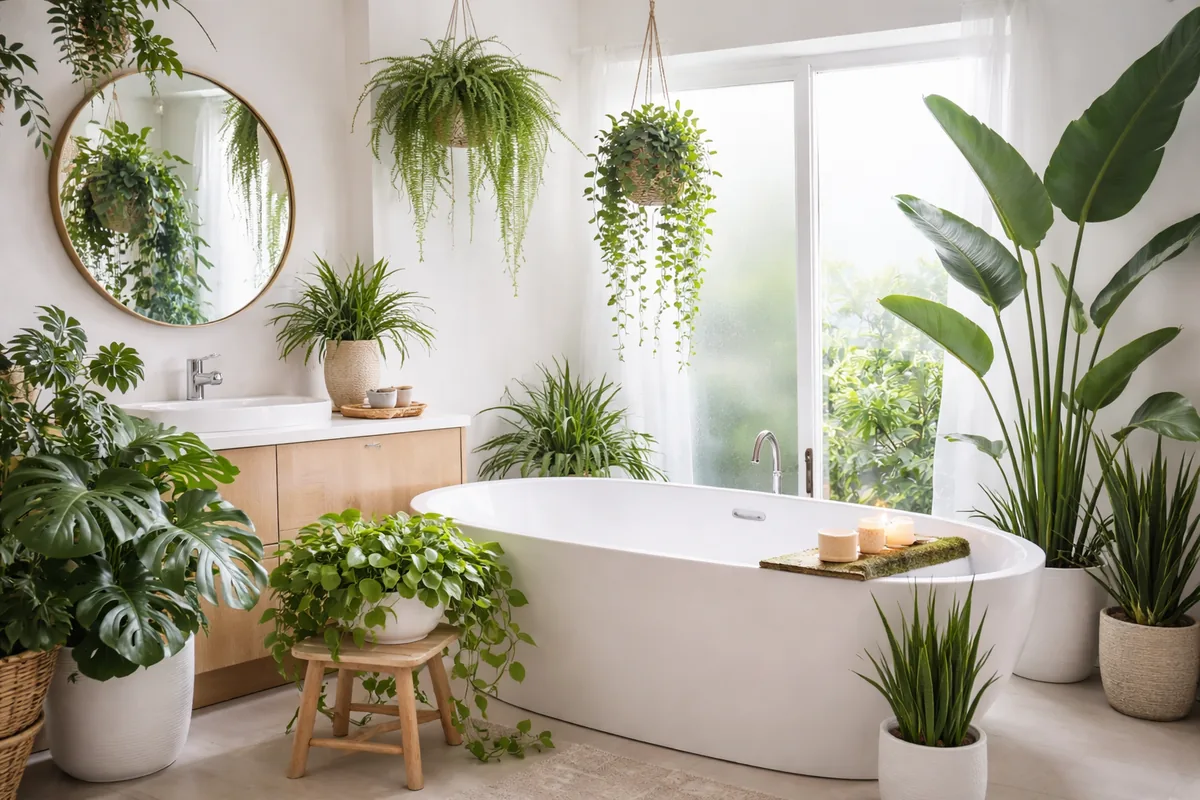
High humidity bathroom environments can be a flourishing paradise for certain plants. Species like ferns, peace lilies, and spider plants thrive under these conditions, bringing life and color to your space while improving air quality. Understanding which plants best suit this environment is critical for proper care and decoration.
Why humidity is beneficial for certain plants
Bathrooms typically maintain higher humidity levels due to the steam from showers and baths. This moisture creates a microclimate that supports the growth of various plants. Humidity helps in reducing moisture loss from the leaves, promotes nutrient uptake from the soil, and encourages lush foliage. Plants that naturally thrive in humid environments often originate from tropical regions, where the air is thick with moisture. Such plants not only survive but also flourish in high-humidity settings, making them perfect candidates for your bathroom.
Top plants for high humidity bathrooms
Here’s a closer look at some popular plants that are ideal for the average bathroom:
| Plant Name | Humidity Preference | Care Requirements |
|---|---|---|
| Boston Fern | High | Keep soil moist and ensure indirect sunlight. |
| Peace Lily | Moderate to high | Water when topsoil feels dry; thrives in low light. |
| Spider Plant | Moderate | Allow soil to dry between watering; indirect sunlight preferred. |
| Orchids | High | Grow in bark or moss; prefer bright, indirect light and regular misting. |
| Pothos | Moderate | Water when the top inch of soil is dry; adapt well to varying light conditions. |
Care tips for bathroom plants
Caring for plants in high humidity bathroom environments requires special consideration. Ensure adequate drainage to prevent waterlogging, as excess water can cause root rot. Using pots with drainage holes is crucial. Regularly check the moisture levels of the soil; while humidity is high in these spaces, plants still need water. Fertilizing every few months during growth periods supports healthy plant development. Additionally, cleaning the leaves occasionally helps with photosynthesis and keeps pests at bay.
Arranging plants in your bathroom
The layout of your plants in the bathroom can significantly enhance the overall decor. Place taller plants like ferns or peace lilies in corners or on shelves to create a layered effect. Use hanging planters for trailing plants such as pothos or spider plants, as they can elegantly cascade down. Smaller plants can be arranged on the countertop or around the sink, where they will receive bright, indirect light. Grouping plants with similar needs also simplifies care and maintenance.
Common challenges and solutions
Despite the humidity, bathrooms can present challenges for plant care, such as limited light and fluctuating temperatures. Consider using grow lights to supplement natural sunlight, particularly in smaller bathrooms with no windows. Ensure good air circulation to combat mold growth, especially for plants that prefer more dry air. Regularly check for pests, as high humidity can attract fungus gnats and spider mites. If you notice any signs of pest damage, immediately isolate affected plants to prevent spreading.
Creating a plant-friendly bathroom environment
To optimize your bathroom's environment for plant growth, consider humidity-boosting methods. Installing humidity trays, simply placing shallow trays filled with water pebbles beneath pots, can enhance the local environment. Regularly opening windows or doors during less humid seasons can help prevent mold and mildew while ensuring fresh air circulation. Lastly, avoid placing plants directly above excessive heat sources, such as radiators, which could dry them out over time.
FAQ
What are the best types of plants for a bathroom?
Boston ferns, peace lilies, spider plants, orchids, and pothos are highly adaptable and thrive in bathroom humidity.
How often should I water bathroom plants?
Water frequency depends on the plant type and soil moisture. Generally, check the top inch of soil and water when dry.
Can I use artificial light for my bathroom plants?
Yes, using grow lights can supplement natural light, especially in bathrooms with little to no windows.
Are there any plants that should be avoided in bathrooms?
Plants that require very dry conditions, such as succulents and cacti, typically do not thrive in bathroom humidity.
How can I increase humidity for my bathroom plants?
To boost humidity, use humidity trays, mist plants regularly, or consider a small humidifier in the bathroom.